The Next Prompt Is a Card
A finished run is a map. Drift deeper puts one answer back in the box, so the next sample follows that branch instead of the original question.
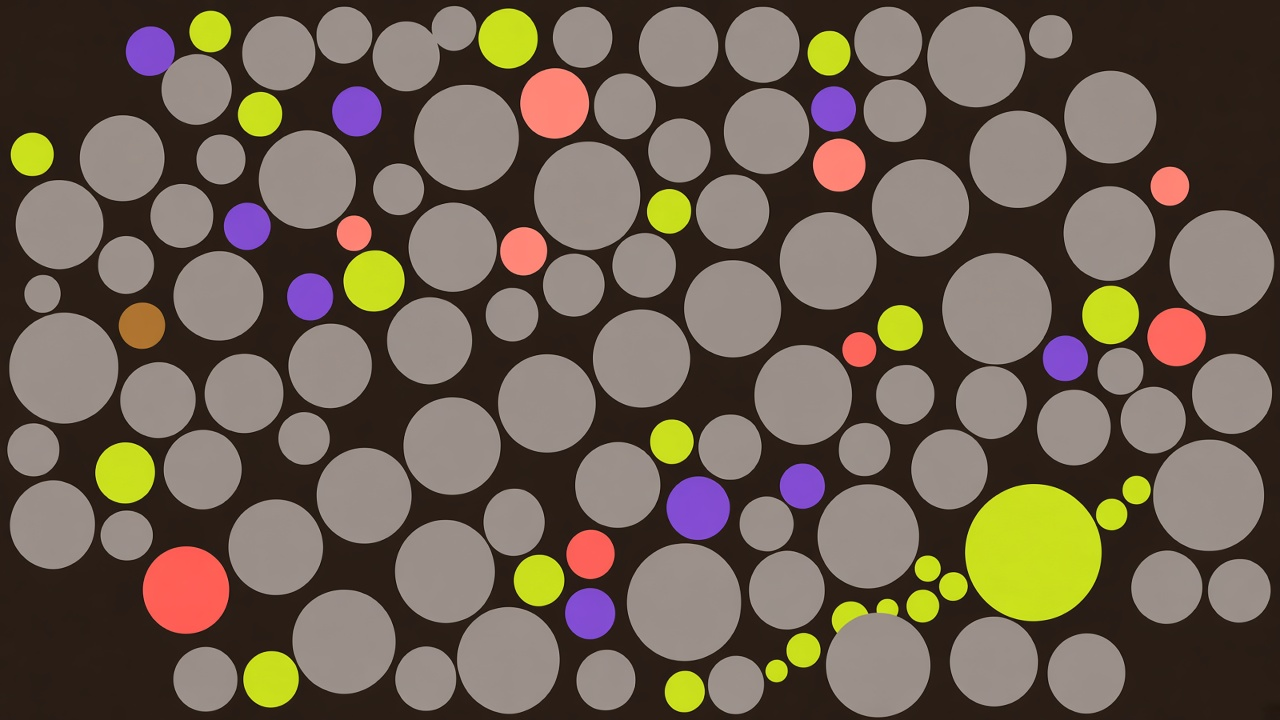
A run ends as a stack of cards. Each card has a percentage, a tier, and a model name. The next useful question is which of those answers you actually want to ask.
That question has its own control. Drift deeper copies one card into the prompt box and leaves the rest of the form alone. You still have to run it. What changes is the thing being sampled: the branch named by that card, instead of the question that produced the stack.
Read the stack before you pick
The default order is highest probability first. That order is a way to read. The top card is the frame the model settled on, the answer it would have given you in an ordinary chat. Read it. If you skip it, you will not know what the tail is departing from.
Lowest first is the other reading. Use it when you already know the safe answer and you opened the run for the part the model rated as unlikely. The tier cuts stay put either way. Conventional is 30% and above, creative runs from 10% up to that line, and wild is everything below 10%. Those are the same cuts described in how Verbalized Sampling works.
The percentage on a card is the model's own report, not a token log-prob. The system prompt asks the set to sum to about 1. When a model complies, the numbers rank one distribution. When the set misses that sum, trust the order, and ignore the third decimal. Two cards at 18% and 17% are neighbors. A card at 6% and a card at 41% are different kinds of answer.

The meter is a map of this run
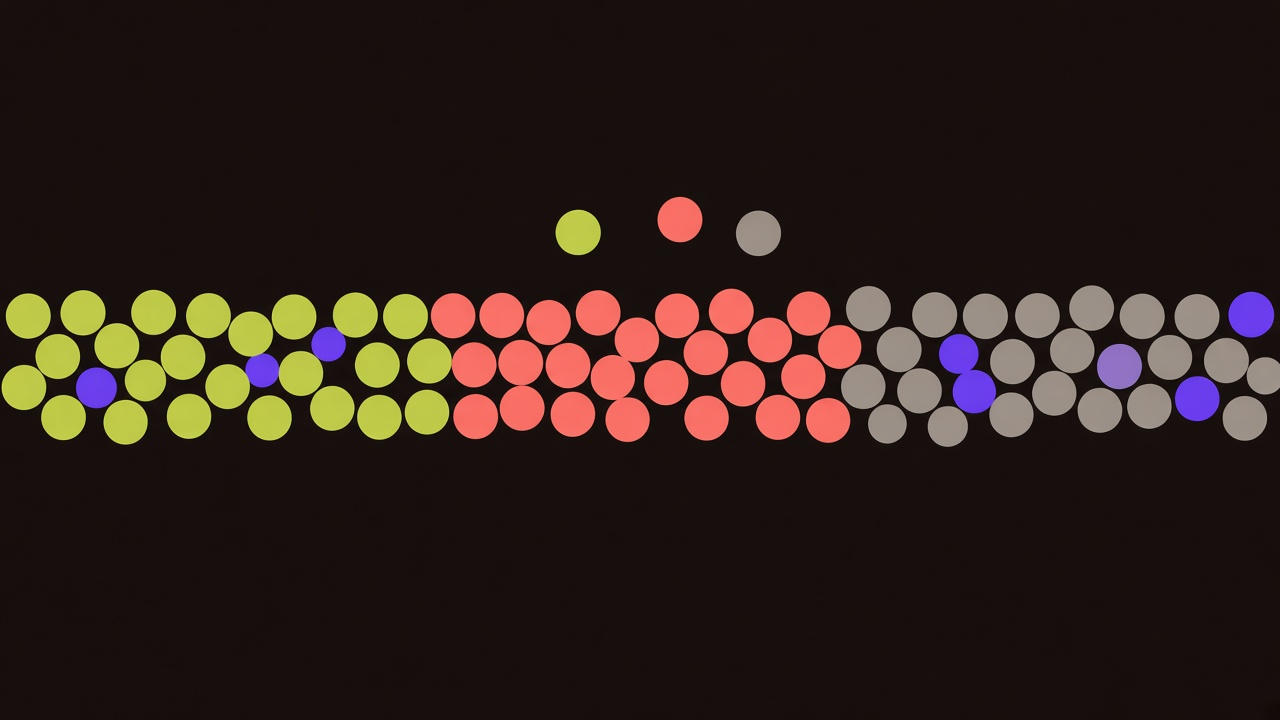
Above the cards, the drift meter draws the same set as a bar. The tail sits on the left, the conventional end on the right, and each dot is one response, placed by the probability it reported. Click a dot and the page scrolls to that card.
The pills are the filter. All shows the run. A tier pill shows only that tier, and clicking the active pill brings the full list back. A tier with no cards is left off the meter, so a run that never left the conventional band will not offer you a wild filter.
When more than one model answered, two more controls show up. Mixed keeps a single list in the probability order you picked, so a cautious model and a wide one share one ranking. By model breaks that list into a section per provider, still in the same order inside each section. The diversity post is about what to look for in those sections. The meter shows where this run landed. It does not score the models for you.
Three different next moves
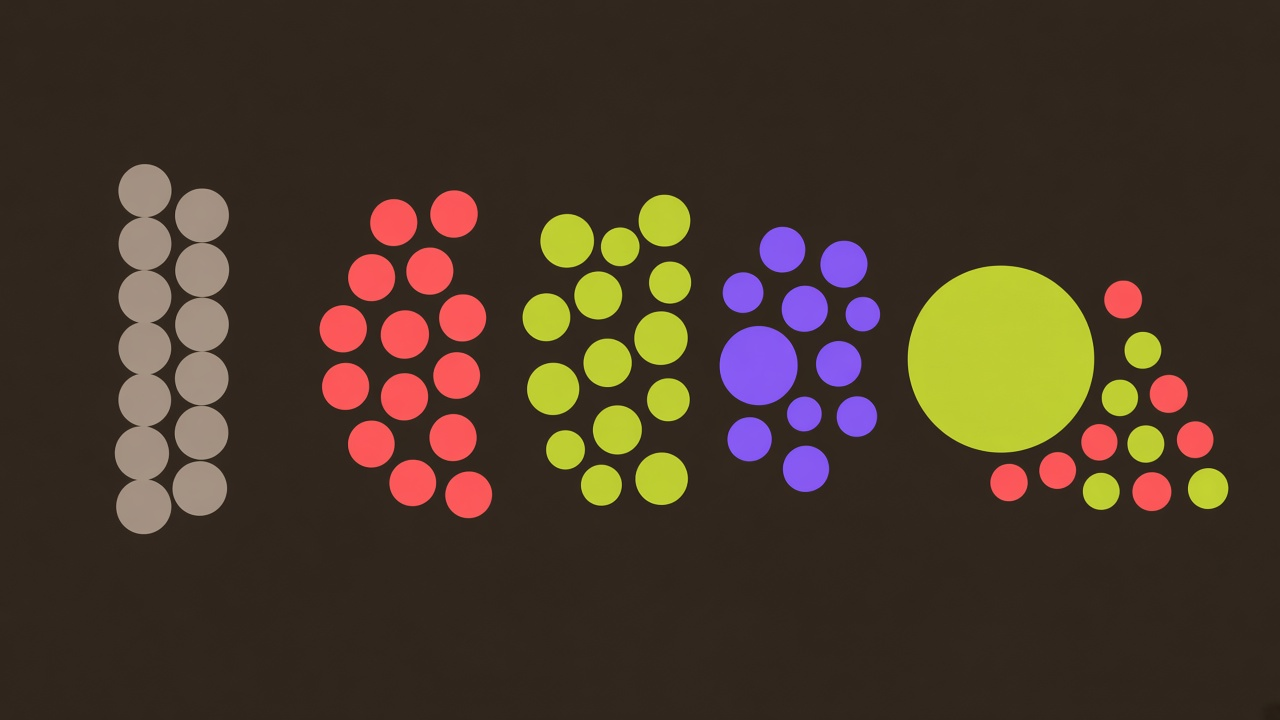
After you have read the stack, three moves are worth making, and they do different jobs.
Run the same prompt again, or raise k, or lower τ. You are drawing again from the distribution of the question you already asked. A higher k gives the tail more room. A lower τ tells the model to reach further into it. The question stays where it is.
Switch to Facet mode when the disagreement you want is about the question. That mode spends a call writing angles, keeps a few from both ends of the candidate list, and answers each angle once. The facet post is the procedure. Facet mode is how you find a question worth asking. It is a poor way to develop an answer you already have in hand.
Drift deeper is the third move. On a card in the app — on the prompt page, in history, or inside a collection — it copies that card's text into the prompt. On the prompt page it scrolls to the box and focuses it. From history or a collection it takes you back to the prompt page with the card as the text. k, τ, the selected models, and the mode stay where you left them. Nothing is sent until you run it.
If the form is still in Facet mode, switch it to standard before you send. Otherwise the next run splits the card into angles. Following a card means one distribution of that card.
Which card is a branch
Take "Write a tagline for a neighborhood hardware store." A standard run with k of 5 tends to come back as five lines in one genre: helpful, local, a little proud of the nails. The top card might read "Everything you need to fix it yourself." That is the conventional reading, and it is a useful baseline. Drift deeper on it and the next run writes more lines about a helpful store. You have resampled the safe answer in more words.
Somewhere lower, often under 10%, a card will name a different store. "We still sharpen." That sentence is a theory: the shop maintains tools, it does not merely sell them. Drift deeper on that card and the next sample is about sharpening, repair, and the regular who brings the same chisel back. The original ask, a tagline, is no longer the prompt. You are inside the branch.
Some wild cards are not branches. A fragment, a contradiction, or a joke that names no subject will produce a run about that mess. A low percentage means the model rated the answer as unlikely. It says nothing about whether the answer is a direction.
The card to follow is the one you could hand someone as the brief. If you cannot say what the next run is about without pasting the whole card, it is not a branch yet. Copy it when you like the sentence. Follow it when you like the idea.
Remix repeats the question
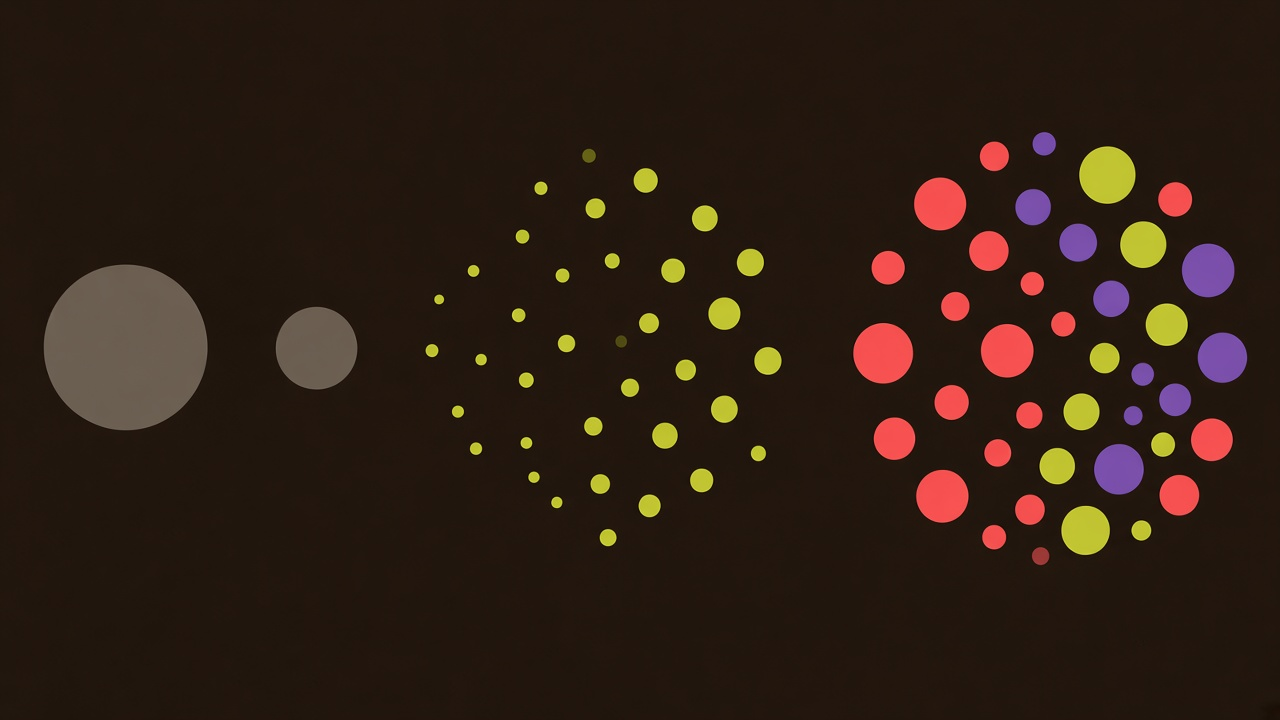
A shared run has a different control. Remix this prompt opens the app with the original question filled in, plus that run's models, k, and τ. The prompt on the link is capped at 4,000 characters, and at most four models come along. Explore does the same thing with a public drift. That repeats the question. Shared cards do not carry Drift deeper. A public page should not rewrite your prompt box on its own.
History has both. Rerun restores the original prompt and that run's models, k, and τ. Drift deeper, on an expanded card, takes only the card's text and leaves those settings untouched.
Use remix when you want another draw of the same ask. Use drift deeper when one answer has become the ask. When the card is already the line you wanted, stop and copy it. A second sample develops a branch. It does not improve a finished sentence.